Series: Understanding Interculturality Through the Eyes of the Young Generation
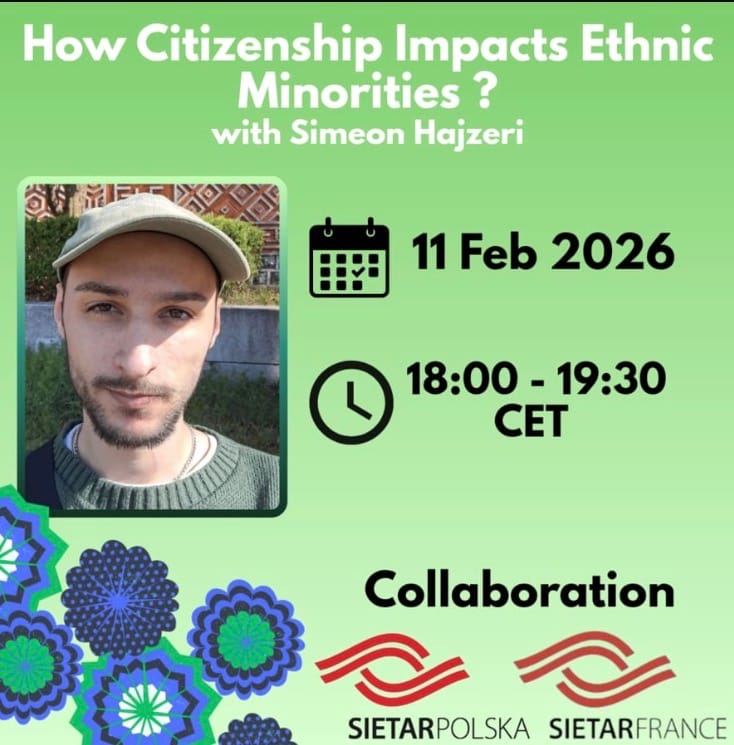
SIETAR Polska and SIETAR France invite you to a collaborative webinar where a young researcher shares his perspective on citizenship, identity, and intercultural relations.
This webinar is part of a cycle that focuses on how the young generation understands citizenship today. It looks at citizenship through personal experience, academic theory, and intercultural analysis. The session shows how ideas about citizenship affect people’s lives, especially migrants and minorities.
The presentation is based on both lived experience and theoretical work, with strong reference to Dr. Dimitry Kochenov’s book “Citizenship” (2019). It explores how citizenship is used in politics, how it can create exclusion, and how language and framing shape public opinion.
Why is this important for interculturalists?
For interculturalists, citizenship is not only a legal status. It affects:
- Belonging and identity
- Inclusion and exclusion
- Power, rights, and access to opportunities
Understanding how citizenship policies impact different groups helps intercultural practitioners work more effectively with diverse communities, challenge marginalisation, and reflect on their own assumptions and language.
Listening to young voices in the intercultural field is especially important. They bring new perspectives, question established ideas, and connect theory with today’s social and political realities.
Simeon Hajzeri
B.A. in New Media and Intercultural Communication
Currently pursuing further higher education to deepen his knowledge.
During his studies, Simeon focused on media theory and social justice. His Bachelor’s dissertation examined citizenship policies in Europe and their marginalising effects on ethnic minorities.
His interest in the topic comes from both the global political context, where citizenship is often used as a tool of power, and from his personal experience as a migrant. He highlights that citizenship affects not only adults, but all of us.
Simeon also explores framing and language, showing how the way we talk about citizenship and affected populations matters deeply.
Topics Covered
- Fundamentals of Citizenship,
- Social and Legal Marginalisation,
- Minorities
- Framing and Opinion Formation