The mainstream of interculturalism is heavily influenced by Hofstede’s theory and two basic assumptions stemming from it. Firstly, culture is static. Values don’t change and if they do, all countries change in more or less a similar speed. This makes the national index valid and reliable regardless of time. Secondly, people are the product of their culture. We passively absorb our culture at birth, letting this software be installed in our mind and act accordingly.
This keynote challenges those assumptions and calls for a paradigm shift. In the VUCA world, we may want to re-evaluate the theories that guide our practices. We may consider different tools that not only support our actions, but allow us to envision a richer, more dynamic version of ourselves as change agents rather than cultural dopes.
Dr. Nguyen-Phuong-Mai
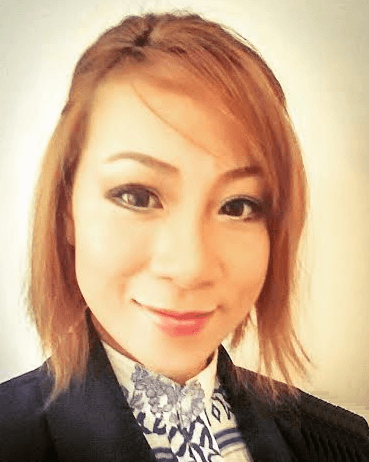
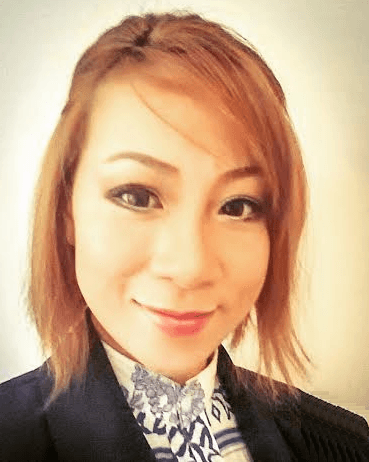
Dr. Nguyen-Phuong-Mai is Associate Professor at Amsterdam School of International Business, The Netherlands. In the last few years, she has been known for working as a bridge between cross-cultural communication and the field of neuroscience. Following her study at King’s College London in a Master program on Applied Neuroscience, in 2020, she published her latest book Cross-Cultural Management with Insights from Brain Science. It adopts the notion that culture is dynamic, context is the software of the mind, opposing values coexist, change is constant, and individuals can develop a multicultural mind. Since the date of release, she has been invited to keynote at multiple conferences. Here is one of her key articles on this call for a shift of paradigm in interculturalism.